Hearing devices

Choose current hearing technology with clear guidance, not pressure.

A client-friendly device selection guide for comparing technology levels, styles, accessories, colour choices, HSP/DVA/NDIS pathways and implant referral questions after assessment where applicable.

Product list updated June 2026.Please check with the clinician for the latest model, availability and price because this website may not be updated on a regular basis.

Pictorial client guide

Three simple decisions before choosing a device.

This guide follows the same educational logic as the Unitron selection guide: identify listening challenges, select a suitable style, then match the technology level to the client's listening lifestyle and clinical needs.

Where do you struggle?

Consider quiet, small groups, noise, crowds, meetings, phone calls, music, TV, tinnitus, localisation, safety sounds and fatigue.

speechmusicbirdstrafficnoise
  • Bring a family member if helpful.
  • Tell us your real listening goals.
  • Do not feel rushed into a device decision.

Which style fits your ears and hands?

Style must consider hearing loss, wax, canal shape, ear health, dexterity, vision, looks, retention and power needs.

RITE/RIC
BTE
CIC
IIC
  • Wax and moisture can change the best style.
  • Caregiver support may be important.
  • Cosmetics should be balanced with reliability.

Which technology level matches your lifestyle?

Higher levels generally add stronger automatic management for complex noise and conversations, but the best choice is individual.

Premium★★★★★
Advanced★★★★☆
Mid Level★★★☆☆
Standard★★☆☆☆
Essential★☆☆☆☆
  • Ask for exact model and generation.
  • Ask what aftercare and accessories are included.
  • Ask whether an HSP fully subsidised option is suitable.

Client-friendly technology explanation: Premium levels are usually designed for more demanding listening environments such as restaurants, group conversation, traffic/noise and active social settings. Advanced and Mid Level options may suit varied but less complex listening needs. Standard and Essential may suit simpler listening needs or funded pathways where clinically appropriate. A well-fitted Essential device may be more appropriate than an expensive device that is not matched to the client's hearing goals, ear health or ability to manage it.

Model and technology guide

Current and recent device families mapped into simple technology levels.

Manufacturers use different naming systems. This table maps common product families into client-friendly levels: Premium, Advanced, Mid Range, Standard and Essential/Entry. It is not a stock guarantee or quotation.

Pricing disclaimer: The listed prices referenced are indicative up-to amounts only. Please consult with the Audiologist for the specific prices for the models based on the technology levels. Further discount applies for eligible Pensioner clients. Any device or package price outside the listed technology levels should be marked: please contact the clinic for the price.
PremiumIndicative pair package up to $6,200; exceptions apply for special devices such as Oticon Zeal and other premium/special-order models. Further discount applies for eligible Pensioner clients.
AdvancedIndicative pair package up to $5,200. Further discount applies for eligible Pensioner clients.
Mid RangeIndicative pair package up to $4,200. Further discount applies for eligible Pensioner clients.
StandardPlease contact the clinic for price and suitability. Further discount applies for eligible Pensioner clients.
Essential / EntryPlease contact the clinic. HSP fully subsidised options may apply for eligible clients.

Package-inclusion note: Indicative private package pricing may include clinical fitting, aftercare, warranty, minimum return period and selected consumables/accessory discounts depending on the quote. Conditions apply. HSP, DVA and NDIS pathways may have different rules, approvals, claiming and maintenance requirements.

BrandProduct families / styles to discussPremiumAdvancedMid RangeStandardEssential / EntryNotes
OticonZeal, Intent, Verit, Own SI, Real, Own, Zircon, Jet PX, Xceed, CROS. Styles include miniRITE/RITE, miniBTE/BTE, CIC/IIC and custom options.Zeal 1; Intent 1; Verit 1; Own SI 1; Real 1 / Own 1 where available.Intent 2; Verit 2; Own SI 2; Real 2 / Own 2.Intent 3; Verit 3; Own SI 3; Real 3 / Own 3.Intent 4; Verit 4; Own SI 4; selected Zircon/Jet PX level depending on clinical need.Zircon 2, Jet / HSP fully subsidised options where applicable.Zeal and special products may sit outside standard pricing. Confirm charger and accessory compatibility.
PhonakAudéo Infinio/Sphere, Virto Infinio, Naída L, Sky L, Terra+, CROS I/L/P, Roger accessories. Styles include RIC/RITE, BTE, power BTE, custom IIC/CIC/ITE.90 Premium.70 Advanced.50 Standard / clinic Mid Range mapping.50 or selected 30 depending on pathway.30 Essential / Terra+ / HSP suitable options where applicable.Roger accessories can be high-cost and may require special funding or quote discussion.
UnitronMoxi, Stride and Insera families across Smile, Vivante and Blu platforms.Level 9.Level 7.Level 5.Level 3.Level 1 where available.Useful for explaining automatic performance by lifestyle because the Unitron guide uses Premium/Advanced/Mid/Standard/Entry logic.
Signia / SivantosPure Charge&Go IX/BCT IX, Styletto IX, Silk Charge&Go IX, Insio IX, Motion Charge&Go IX, Active IX/Pro IX, AX and Intuis 4 where applicable.7IX / 7AX; Active Pro IX for earbud-style option.5IX / 5AX.3IX / 3AX.2IX / 2AX.1IX / 1AX / Intuis 4 or approved fully subsidised options where applicable.Some IIC/CIC options have limited Bluetooth/rechargeability depending on size and model.
GN ReSoundVivia, Nexia, Enzo IA, Savi, Key, CROS/BiCROS. Styles include microRIE/RIE, BTE/power BTE, ITC/ITE/CIC.Level 9.Level 7.Level 5.Level 4 or family-specific.Key level 3/4 and HSP fully subsidised options where applicable.Confirm Auracast/LE Audio compatibility and charger type before quote.
BeltoneEnvision, Boost Max S, Serene, Amaze, Boost Ultra, Commence, Rely, CROS/BiCROS.Level 17.Level 9.Level 6.Level 4.Rely / HSP fully subsidised models where applicable.Beltone and ReSound accessories overlap by GN platform but compatibility must be checked.
StarkeyEdge AI, G Series AI, Signature Series and custom/power options.24.20.16.12 where available.Essential/older family levels where available.Confirm exact Australian range and colour/style at assessment.
WidexAllure, SmartRIC, Moment/Moment Sheer, RIC/BTE/custom families.440.330.220.110.Selected essential/funded options where available.Known for natural sound focus; confirm style and accessory compatibility.
BernafonEncanta and selected current Bernafon families.Encanta 400 / top level.Encanta 300.Encanta 200.Encanta 100.Entry family where available.Confirm Encanta support levels and local availability.
SonicRadiant / Sonic Innovations options where currently supported.Radiant 100.Radiant 80.Radiant 60.Radiant 40.Radiant 20 / entry options where available.Confirm current Australian supply pathway before presenting as active stock.
HansatonFOKUS, STRATOS and professional RIC/BTE/custom systems.Level 9 / First class.Level 7 / Business class.Level 5 / Comfort class.Level 3 / Economy class.Entry family where available.Confirm local distribution and support.

Brand names and model examples are provided for client education and comparison only. Agapé Audiology is not owned by or endorsed by the listed manufacturers. Current Australian availability, colours, HSP approved-device schedule status, appointed-supplier pathways, DVA/NDIS rules and exact model pricing must be confirmed at the time of assessment and written quote.

Current devices

A closer look at today’s hearing technology.

High-resolution manufacturer images for client reference. Exact model, colour, receiver, charger and connectivity options are confirmed during your appointment.

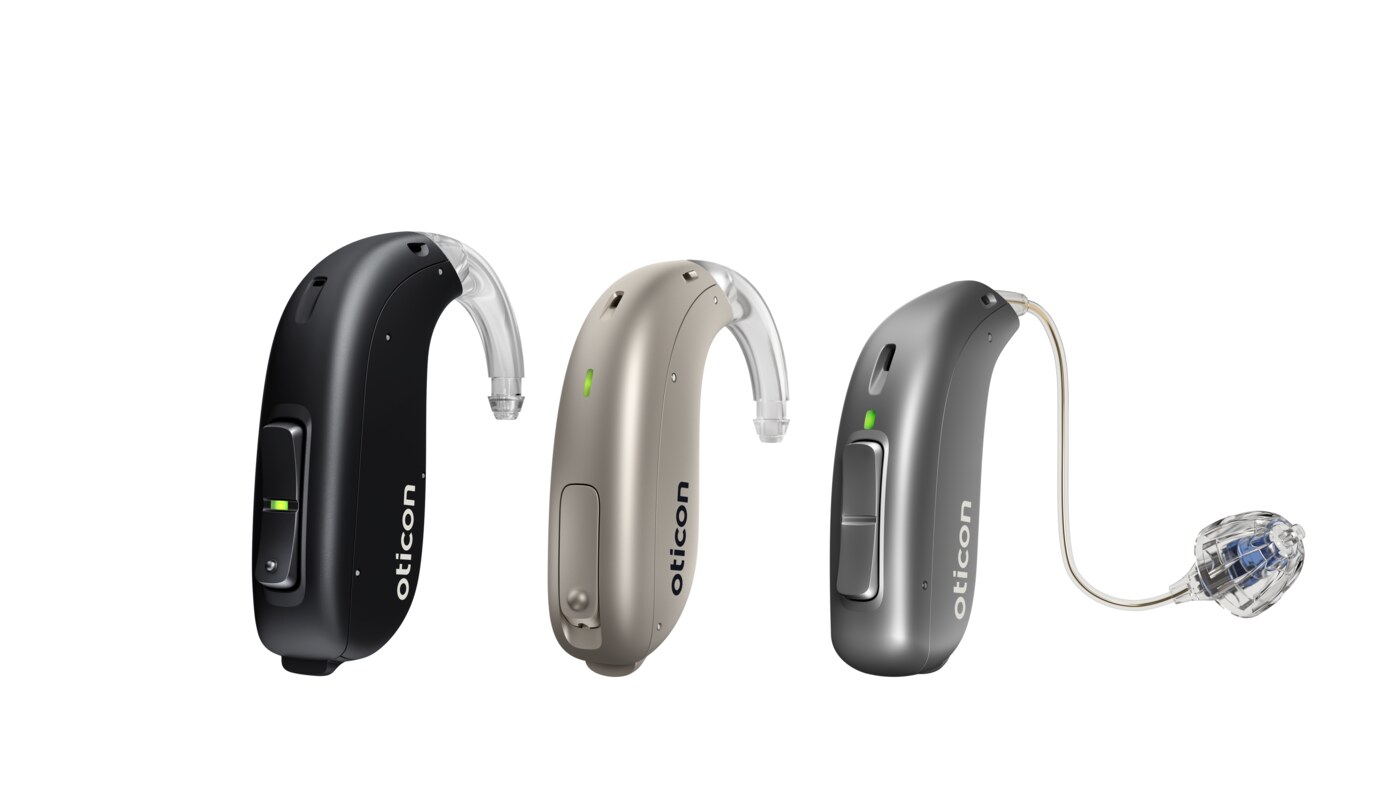
Oticon behind-the-ear and receiver-in-canal hearing aid range
Behind-the-ear & receiver-in-canal — discreet, powerful and feature-rich options.
Phonak hearing aid family across multiple styles
A style for every ear — custom, in-the-ear and behind-the-ear designs.
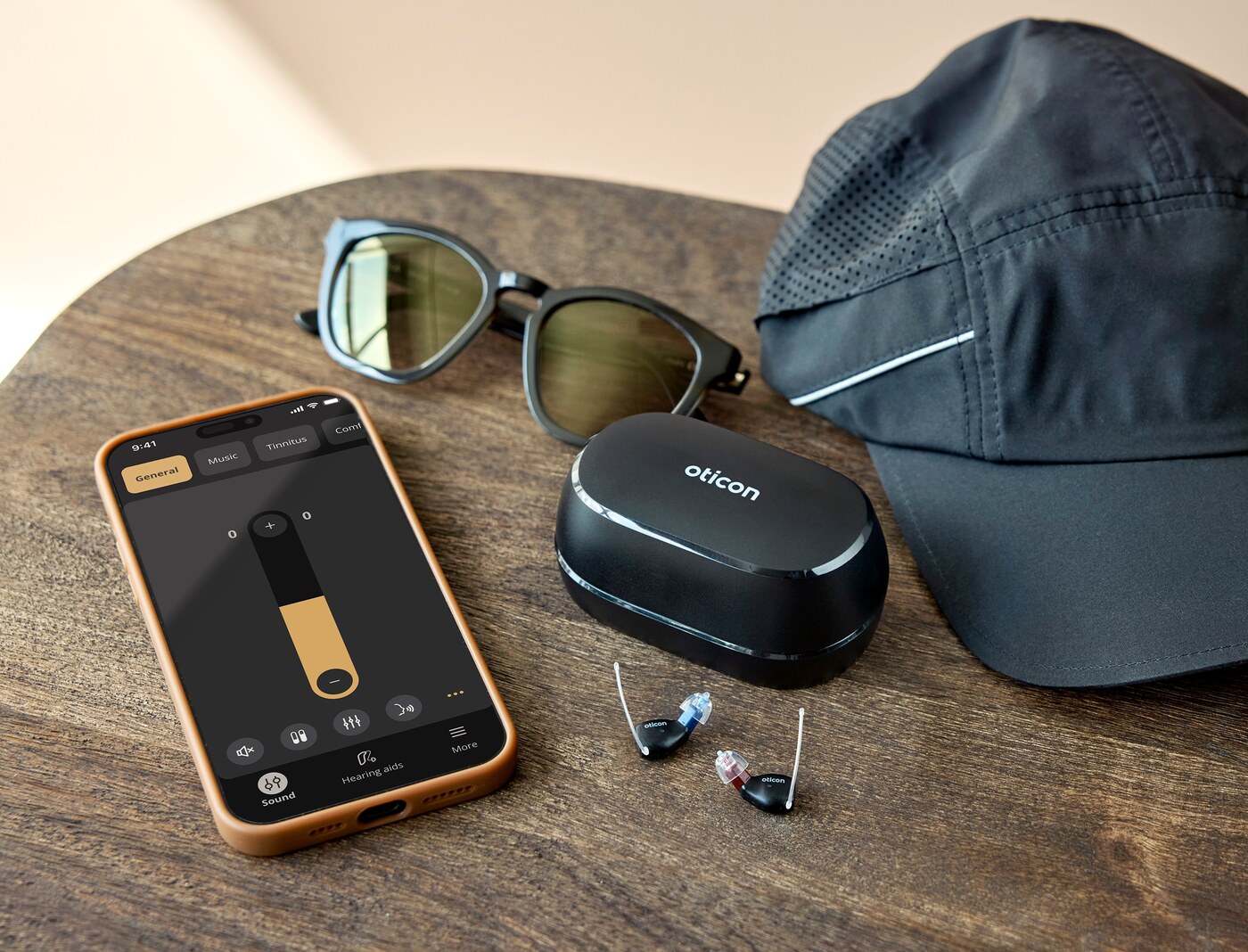
Rechargeable hearing aids with smart charger
Rechargeable convenience — overnight charging, all-day power.

Image note: Manufacturer images (Oticon, Phonak) are shown for client reference with supplier permission. No identifiable personnel images are used in product shots. Final product and colour availability is confirmed by the clinician.

Style image reference

Hearing aid styles clients can visually compare.

These Oticon images are shown for client reference with permission from Oticon/supplier. They illustrate common design styles only; exact brand, model, colour, receiver, mould, rechargeable and Bluetooth availability is confirmed during the appointment.

Oticon RITE or RIC receiver-in-canal style hearing aid reference imageRITE/RIC

Receiver in the canal

Small behind-ear device with a receiver/speaker in the canal.

Oticon BTE behind-the-ear style hearing aid reference imageBTE

Behind-the-ear

Often stronger, easier to handle and useful for wax-prone or higher-power fittings.

Oticon in-the-ear custom style hearing aid reference imageITE

In-the-ear custom

Custom shell in the ear; easier to handle than very small canal products.

Oticon CIC completely-in-canal style hearing aid reference imageCIC

Completely-in-canal

Discreet canal style where ear anatomy, wax and power needs allow.

Oticon discreet in-canal style hearing aid reference imageIIC / discreet

Invisible / deep canal

Very discreet, but may have wax, battery, Bluetooth and handling limitations.

Generic cochlear implant reference illustrationImplants

Referral only

Generic cochlear implant reference image. The clinician may discuss referral after assessment where clinically required.

Oticon hearing aid colour examples for client reference

Colour note: Colours vary by model, shell style and supply pathway. The audiologist will confirm current colour choices before ordering.

Device categories

RITE/RIC, BTE, ITE, CIC, IIC and implant pathways.

The fitting style is a clinical decision as much as a cosmetic decision. It depends on hearing levels, ear health, wax, dexterity, technology needs, phone compatibility, comfort, funding pathway and client goals.

Oticon receiver-in-canal style referenceRITE/RIC

Receiver in the canal

Small behind-ear device with the speaker/receiver in the canal. Often discreet and technology-rich, but wax can clog receivers and clients/caregivers need dexterity for cleaning, filters and domes.

Oticon behind-the-ear style referenceBTE

Behind the ear

Generally larger and more visible, but robust and often suitable for wax-prone ears, retention needs and severe-to-profound hearing loss where power and handling matter more than cosmetics.

Oticon in-the-ear custom style referenceITE

In the ear

Custom shell in the outer ear. Easier to handle than tiny canal styles and may allow more power/control than CIC/IIC, but is more visible and still needs wax/moisture care.

Oticon completely-in-canal custom style referenceCIC

Completely in canal

Discreet custom canal device. Can be cosmetically appealing, but may have wax, moisture, battery and technology limitations depending on ear shape and model.

Oticon discreet in-canal style referenceIIC

Invisible in canal

Deep and very discreet where anatomy allows. Often lacks Bluetooth or advanced controls, is more vulnerable to wax/tunnelling/occlusion issues, and requires good dexterity or caregiver support.

Generic cochlear implant referenceImplants

Referral pathway only

Implants are not fitted from this website. After assessment, where clinically required, the clinician may refer to ENT/cochlear implant/bone-conduction implant services for specialist candidacy assessment.

Fitting styles

BTE, RITE/RIC, CIC and IIC explained with practical pros and cons.

The best fitting style depends on hearing results, wax, moisture, ear canal shape, ear health, dexterity, vision, cosmetic preference, tinnitus features, connectivity needs, funding pathway and the level of power required.

RITE/RIC hearing aid referenceRITE / RIC

Receiver in the ear / receiver in the canal

The microphone and processor sit behind the ear. A thin wire connects to a receiver/speaker sitting in the ear canal.

Pros

  • Usually discreet and lightweight.
  • Often supports current Bluetooth, rechargeability, app control and tinnitus features.
  • Receiver power can often be changed if hearing changes.
  • Can be comfortable with open or vented fittings where suitable.

Cons

  • Wax can clog the receiver and wax filter, so regular cleaning is required.
  • Moisture and canal debris can affect reliability.
  • Client or carer needs dexterity to insert, clean and replace domes/filters.
  • May not provide enough power for some profound losses.
BTE hearing aid referenceBTE

Behind-the-ear

The device sits behind the ear and sends sound through tubing, slim tube or an earmould.

Pros

  • Often robust and easier to handle.
  • Good for clients with wax issues who are not worried about visibility.
  • Often better for severe and profound hearing loss or strong retention needs.
  • Tubing/mould components can be changed and cleaned separately.

Cons

  • Bigger and can be bulky or more visible.
  • Can interact with glasses, masks or hair.
  • Earmoulds can feel occluding and need cleaning.
  • Cosmetic concern may reduce acceptance for some clients.
CIC custom hearing aid referenceCIC

Completely-in-canal

A custom device mostly hidden in the canal, usually with a removal cord.

Pros

  • Discreet, custom-made and no device behind the ear.
  • Can use some natural outer-ear cues.
  • Useful where masks, glasses or behind-ear comfort are concerns.
  • Can suit clients who value cosmetic appearance.

Cons

  • Wax and moisture issues are common and require regular care.
  • Small size may limit Bluetooth, rechargeability, directionality and manual controls.
  • May not suit narrow canals, drainage, ear health concerns or larger hearing losses.
  • Handling can be difficult without adequate dexterity or caregiver help.
IIC discreet hearing aid referenceIIC

Invisible-in-canal

A very small custom device placed deeper in the ear canal for maximum discretion.

Pros

  • Most invisible style where the ear canal allows.
  • No device behind the ear.
  • Can benefit from natural ear shape for some directional cues.
  • Cosmetically appealing for selected mild-to-moderate losses.

Cons

  • Often lacks technologies such as Bluetooth, large batteries, controls and rechargeable options.
  • Wax can block the sound bore/receiver and cause feedback or weak sound.
  • Deep fit can create canal/tunnelling, occlusion or comfort issues for some ears.
  • Not suitable for every ear canal, ear health condition or hearing loss level.

Clinical note: A cosmetic preference should be balanced against clinical suitability, comfort, hygiene, cleaning ability, reliable amplification, verification results and ongoing support. Clients with frequent wax, moisture, poor dexterity, reduced vision or carer dependence may benefit from simpler handling options.

Generic cochlear implant reference illustration

Implant referral questions

Where hearing aids may not be enough, referral can be discussed after assessment.

Agapé Audiology can discuss whether the assessment suggests the need for medical, ENT, cochlear implant, bone-conduction implant or other specialist review. This is a referral and information pathway only; implant candidacy and treatment decisions are made by the relevant specialist team.

Cochlear implant pathway

May be discussed for selected clients with severe hearing difficulty and limited benefit from appropriately fitted hearing aids.

Bone-conduction implant pathway

May be relevant for selected conductive, mixed or single-sided hearing situations after medical/specialist assessment.

Middle-ear / other implantable devices

May be considered only through specialist assessment where clinically appropriate.

Accessories and ongoing costs

Accessory examples to discuss at quote stage.

Accessory needs vary by manufacturer, technology level, phone compatibility, TV needs, remote microphone needs, wax/moisture issues and funding pathway. The final client price can include setup, verification, instruction and support, so please contact the Audiologist for accessory prices.

Accessory price note: Accessories, receivers, earmoulds, wax filters, chargers, remote controls, TV streamers, remote microphones, Roger systems and repair/service items are quoted separately where applicable. Please contact the clinic for current accessory prices.
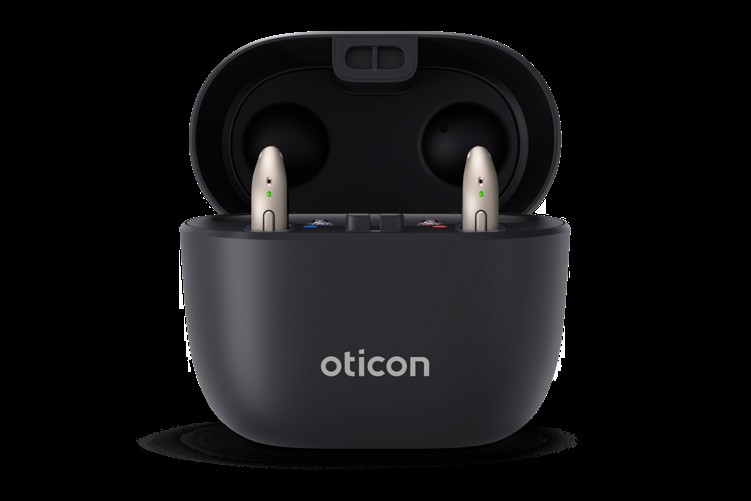
Oticon charger reference image

Oticon charger examples

Charger options vary by model and rechargeable family.

Phonak wireless accessory examples including TV connector and PartnerMic

Phonak wireless accessories

Examples include TV, remote-control and PartnerMic-style accessories.

Phonak Roger microphone portfolio reference image

Phonak Roger microphones

Roger options may support listening over distance and background noise.

Image note: Oticon images are shown for client reference with permission from Oticon/supplier. Phonak Roger/accessory images are provided from Phonak Australia product information for client reference. No personnel images are used. Final product, colour and accessory availability must be confirmed by the clinician.

Oticon examples

ChargersSmartChargerConnectClipTV AdapterRemote ControlEduMic

  • Useful for TV streaming, remote microphone support, school/meeting support and phone bridging.
  • Rechargeable hearing aids require compatible chargers; confirm compatibility before quoting.

Phonak examples

Charger RIC / ChargerGoTV ConnectorPartnerMicRoger OnRoger SelectRemoteControl

  • Roger accessories can be higher-cost and may need specific clinical/funding justification.
  • Receiver, dome, SlimTip, CROS tube and earmould compatibility must be checked.

Signia examples

Standard / Portable / Dry&Clean chargersStreamLine MicTV StreamerminiPocketminiReceiverEarTips / Sleeves

  • Bluetooth/accessory compatibility differs between IX, AX, X, Intuis 4 and custom products.
  • Wax guards, sleeves and receivers are ongoing consumable/service items.

GN ReSound / Beltone examples

TV-Streamer+TV Streamer 2 / TV Link 2Phone Clip+Multi-Mic+Micro Mic / MyPal MicroRemote Control

  • Some newer accessories use Bluetooth LE Audio / Auracast-enabled pathways.
  • Compatibility varies between Vivia, Nexia, Enzo IA, Savi, Envision, Serene and other families.

Common consumables

Wax filtersDomesReceiversTubingEarmouldsBatteries

  • Wax filters and domes may need regular replacement, especially for RITE/RIC, CIC and IIC styles.
  • BTE tubing and earmoulds may need periodic cleaning, replacement or re-tubing.

Price handling rule

Please contact the clinic for price.

  • Any accessory or device outside the listed package levels should be quoted individually.
  • Use the current manufacturer list, Agapé discount policy, GST/freight, fitting/setup time and aftercare requirements before quoting.

Technology value check

Why spend thousands on older or superseded technology when you can ask for current-generation options, clearer pricing and minimal ongoing costs?

A lower headline price may be appropriate when it is transparent, but clients should still ask what generation, technology level, warranty, return period, service, accessories and aftercare are included.

  • Ask for the exact model, platform and technology level.
  • Ask whether it is current, older, superseded or special-order.
  • Ask what is included over three years of aftercare.
  • Ask for HSP fully subsidised choices where eligible.

This is an informed-choice checklist, not a claim that any named provider sells obsolete devices. Any comparison must be like-for-like and supported by evidence for the specific model and quote.

Need help choosing?

Ask for a clear model, generation, style and technology-level comparison before deciding.

Contact Varsha to request an appointment or device conversation.